You've probably heard the word "inflammation" a lot lately. It shows up on cereal boxes, supplement labels and every other health headline. With that much noise, it's easy to tune it out.
But the idea behind it is worth understanding, especially once you're past 40. The good news is that the everyday habits that may help support a calmer, healthier body aren't exotic or expensive. They mostly look like eating real food, sleeping well and moving more. Let's break it down in plain English.
What is inflammation, in plain English?
Inflammation is your body's response to something it sees as a threat. Cut your hand or twist an ankle, and the area gets red, warm and swollen. That's your immune system rushing in to protect and repair. In the short term, that's a good thing. It's how you heal.
The trouble starts when that response doesn't switch off. Low-level inflammation can linger in the background for a long time without obvious symptoms. You won't see swelling. You might just feel run-down, stiff or sluggish, and chalk it up to getting older.
Why does inflammation matter after 40?
As we age, our bodies change in a lot of ways, and many health experts believe ongoing inflammation plays a part in how we feel as the years go by. Daily habits like what we eat, how much we sleep and how we manage stress can all nudge things in one direction or the other.
I'm not going to tell you a certain food will fix anything, because that's not honest. What I will tell you is that a lot of men find they feel better, with more energy and less of that heavy, achy feeling, when they shift toward whole foods and away from heavily processed ones. That's a worthwhile goal on its own.
If you're dealing with joint pain, fatigue or any health condition, check with your doctor. They can look at the full picture and help you rule things out. Good eating habits work alongside medical care, not in place of it.
Foods many people choose to eat more of
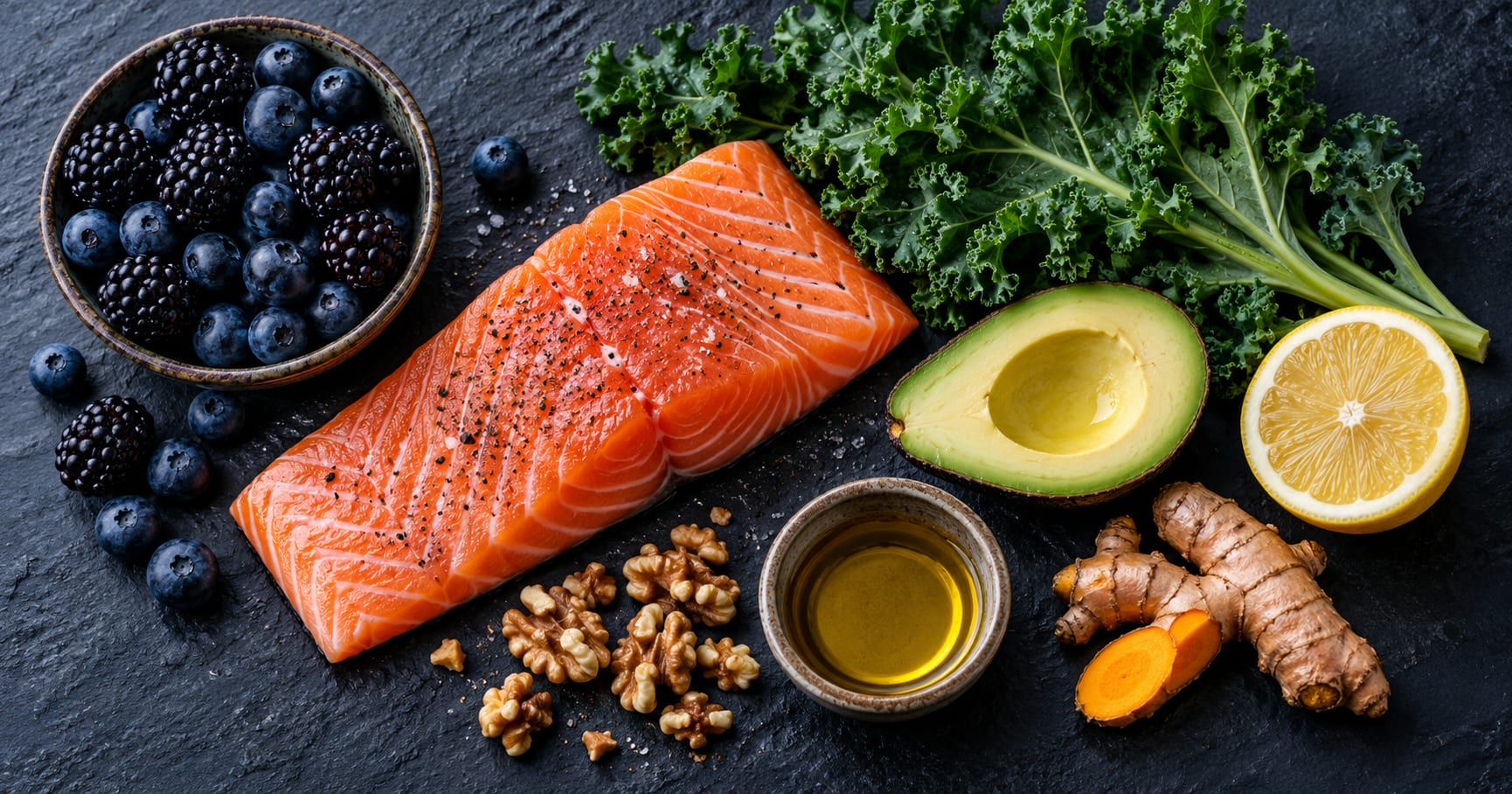
There's no single magic food. What tends to help is a pattern: mostly whole, colorful, minimally processed foods. Here are some that show up again and again on the plates of people who eat this way:
- Fatty fish like salmon, sardines and mackerel
- Leafy greens like spinach, kale and romaine
- Berries, fresh or frozen
- Extra virgin olive oil for cooking and dressing
- Nuts like walnuts and almonds, a small handful at a time
- Beans and lentils, which are filling and easy on the wallet
Foods worth cutting back on
Notice I said cutting back, not cutting out. This isn't a list of forbidden foods. It's a list of things most of us eat more of than we realize, and easing off can make a real difference in how you feel.
Ultra-processed snacks are first on the list. Chips, packaged pastries and anything with a long list of ingredients you can't pronounce. They're designed to be easy to overeat.
Sugary drinks come next. Soda, sweet tea, energy drinks and fancy coffee drinks can add up fast without ever making you feel full.
Then there's alcohol. You don't have to quit, but excess alcohol can disrupt your sleep and leave you feeling worse the next day. Many men notice a difference simply by having fewer drinks during the week.
It's not just food
Food gets most of the attention, but it's only one piece. Sleep, stress and movement all play a part in how your body feels day to day.
Sleep is when your body does a lot of its repair work. If you're regularly getting by on a few hours, everything else gets harder. Stress, when it never lets up, keeps your body on high alert. And regular movement, even a daily walk, is one of the simplest habits for feeling better.
That's why I coach the whole picture instead of handing out a meal plan. You can read more about how that works in the Nutricore approach.
A simple anti-inflammatory day
Here's what a day of eating like this might look like, inside a simple eating window from late morning to early evening. Adjust it to your own schedule and tastes.
Morning: water first thing, then black coffee or tea. Take a short walk if you can, even ten minutes around the block.
First meal, late morning: eggs scrambled with spinach in olive oil, a handful of berries on the side.
Midday: a big salad with leafy greens, beans, chopped vegetables, a few walnuts and leftover chicken or canned salmon, dressed with olive oil and lemon.
Dinner, early evening: baked salmon or another fish, roasted vegetables and a scoop of lentils or a sweet potato. Then the kitchen closes for the night.
Nothing fancy, nothing you can't find at the grocery store. That's the point. A way of eating you can stick with beats a perfect plan you abandon in a week.
When I set out to get my health back, I spent a lot of time learning about food. The biggest lesson was that simple beats complicated. Real food, eaten at sensible times, with good sleep and regular movement.
Start with one swap this week. If you'd like help building a way of eating that fits your life, give me a call. I'm glad to help.
— Ron

About the author
Ron Pepose
Founder of Nutricore · NASM Certified · Stage 4 cancer survivor
Ron Pepose is the founder of Nutricore and a NASM-certified coach who helps men over 40 live longer, healthier lives. A stage 4 cancer survivor, he got his health back through intermittent fasting, nutrition and lifestyle change, and now coaches men across New Jersey and New York to do the same.
Read Ron's storyThis article is for general education and reflects Ron's coaching perspective and personal experience. It isn't medical advice. Talk with your doctor before changing your diet or exercise routine.