If you're a man over 40, your days are probably full before you even get out of bed. Work, family, the commute, the stuff around the house. The last thing you want is a diet that asks you to weigh chicken breasts and log every almond.
That's a big reason intermittent fasting appeals to so many busy men. It isn't really about a list of forbidden foods. It's about when you eat. You pick a window of time for meals, and outside that window you give your body a break. Simple to explain, flexible enough to fit real life, and a good place for a beginner to start.
What is intermittent fasting?
Intermittent fasting is a pattern of eating, not a diet. You split your day into two parts: an eating window, when you have your meals, and a fasting window, when you don't eat. You'll also hear it called time-restricted eating, which is a fancy way of saying the same thing.
Here's the part most people miss. You already fast every night while you sleep. Intermittent fasting just stretches that overnight break a little on purpose. Finish dinner a bit earlier, push breakfast a bit later, and you're doing it.
During the fasting window, water, black coffee and plain tea are the usual go-tos. During the eating window, you eat real meals. No shakes, no pills, no special products required.
Why do men over 40 try intermittent fasting?
For most of the men I talk with, the first draw is simplicity. Fewer meals means fewer decisions. When you aren't grazing all day, you stop wondering what to snack on next, and that frees up a surprising amount of headspace.
Many people also report steadier energy once they adjust, without the mid-morning crash that follows a sugary breakfast. Others like that it fits a busy schedule. Skipping a rushed breakfast can feel like getting time back instead of giving something up.
I want to be honest here. Everyone's body responds differently, and fasting isn't magic. It may help support better habits around food, but the results depend on what you eat, how you sleep, how you move and how consistent you are. It's one tool, not the whole toolbox.
How do I choose an eating window?
You'll see eating windows written as two numbers: hours of fasting, then hours of eating. The common ones are 12:12, 14:10 and 16:8. That's all those names mean. One isn't automatically better than another. The right window is the one you can keep.
If you're new, start gentle. A 12:12 window, where you stop eating after dinner and wait twelve hours until breakfast, is a great first step. Once that feels easy, you can slide toward 14:10. Some men eventually settle on 16:8, and some never need to.
Fit the window to your life, not the other way around. If family dinner is the best part of your day, protect it. Build your window so dinner sits inside it and breakfast moves a little later. If you work early shifts, an earlier window may suit you better. There's no prize for picking the hardest option.
What should I eat during my eating window?
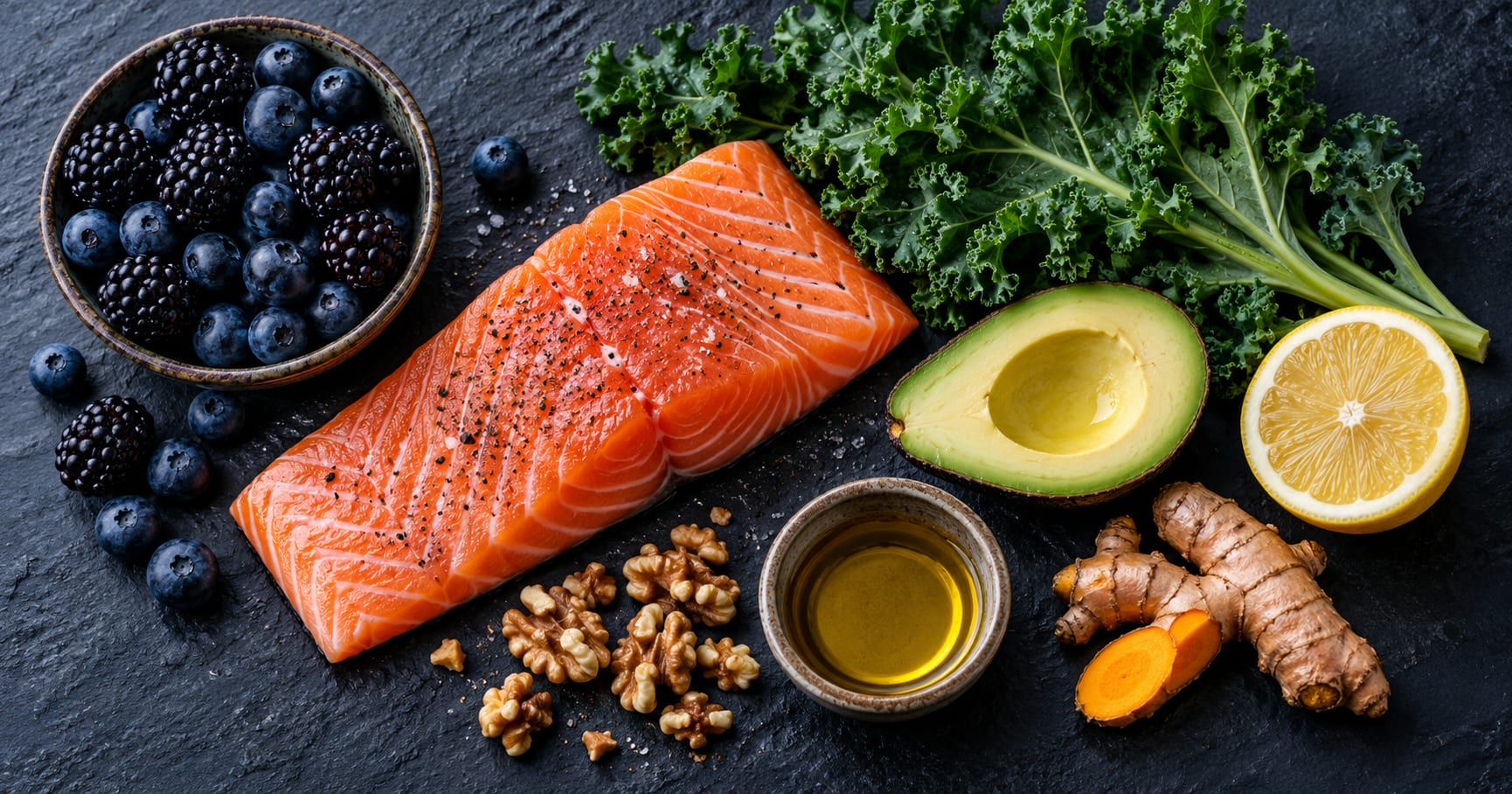
This is where a lot of beginners go wrong. Fasting isn't a license to eat junk once the clock says go. What you put on your plate still matters, maybe more than ever, because you're eating fewer meals.
Build your meals around a few basics, and keep it simple:
- Protein at every meal, like eggs, fish, chicken, lean beef, Greek yogurt or beans
- Plenty of vegetables, in as many colors as you can manage
- Whole foods you'd recognize, rather than packaged foods with long ingredient lists
- Healthy fats like olive oil, avocado and nuts
- Water throughout the day, both inside and outside your window
Beginner mistakes to avoid
Going too hard, too fast. Jumping straight into long fasts usually ends with a headache, a bad mood and a drive-through. Ease in. The goal is a habit you can keep for years, not a test of toughness.
Under-eating protein. When you eat fewer meals, it's easy to come up short on protein. That matters for men over 40 who want to keep their strength. Make protein the anchor of every meal.
Ignoring sleep. Short, restless sleep tends to make hunger and cravings louder. If you're fighting your eating window every afternoon, look at your bedtime before you blame yourself.
Forgetting water. A lot of what feels like hunger during a fast is actually thirst. Keep a glass or bottle nearby and sip through the morning.
Is intermittent fasting right for you?
Intermittent fasting isn't for everyone, and that's okay. Before you change when or how you eat, check with your doctor, especially if you take medications, manage blood sugar, have a heart condition or any other health issue. Some medications need to be taken with food, and your doctor knows your history.
If fasting doesn't suit you, there are plenty of other ways to build a healthier life. It's one part of a bigger picture that includes how you move, how you sleep and how you handle stress. You can read more about that bigger picture in our approach to lifestyle coaching.
When I started changing how I lived, fasting was one of the first tools that clicked for me. Not because it was dramatic, but because it was simple enough to stick with on a busy Tuesday.
So don't overthink it. Pick a gentle window, eat real food when you eat, drink your water and get some sleep. If you want help building a plan around your schedule, give me a call. I'm happy to talk it through.
— Ron

About the author
Ron Pepose
Founder of Nutricore · NASM Certified · Stage 4 cancer survivor
Ron Pepose is the founder of Nutricore and a NASM-certified coach who helps men over 40 live longer, healthier lives. A stage 4 cancer survivor, he got his health back through intermittent fasting, nutrition and lifestyle change, and now coaches men across New Jersey and New York to do the same.
Read Ron's storyThis article is for general education and reflects Ron's coaching perspective and personal experience. It isn't medical advice. Talk with your doctor before changing your diet or exercise routine.